30+ workplace productivity statistics every manager should know in 2026
Benchmarks on focus time, meeting load, hybrid attendance, and software waste—plus how to turn stats into fair team goals.
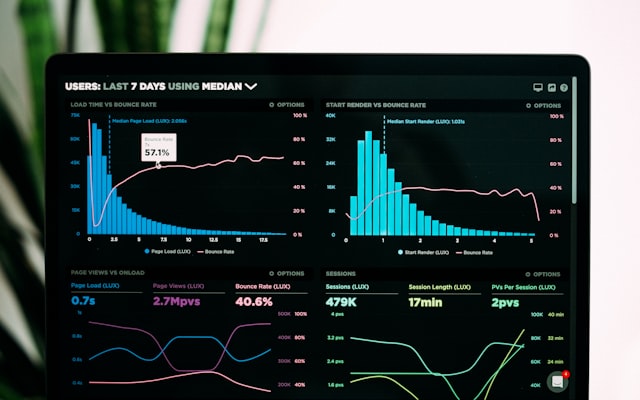
Managers set goals from memory, anecdotes, or industry blog posts. Aggregated workforce data tells a sharper story—if you measure ethically and compare apples to apples.
Hybrid and attendance patterns
Organizations with formal hybrid policies report fewer unexplained absences when attendance is tracked automatically rather than via self-reported timesheets.
In-office days often show higher synchronous collaboration time; remote days show more deep-work blocks—both can be productive when scheduled intentionally.
Meetings and context switching
Knowledge workers frequently spend a quarter of the week in meetings. Layer messaging apps and ticket systems on top, and focus fragments.
Meeting-time monitoring helps leaders ask which recurring calls could be async updates—a small change that returns hours per person monthly.
Turning statistics into action
Use team medians, not top-performer outliers, when setting targets. Review trends monthly. Pair quantitative dashboards with one-to-one conversations.
DreamHR-Ai customers often start with a 30-day baseline before declaring official productivity goals—reducing fear and increasing buy-in.
See how DreamHR-Ai supports your team
Non-invasive monitoring with clear policies—attendance, productivity, and Live View during shifts.